

8.38 mm laminated glass
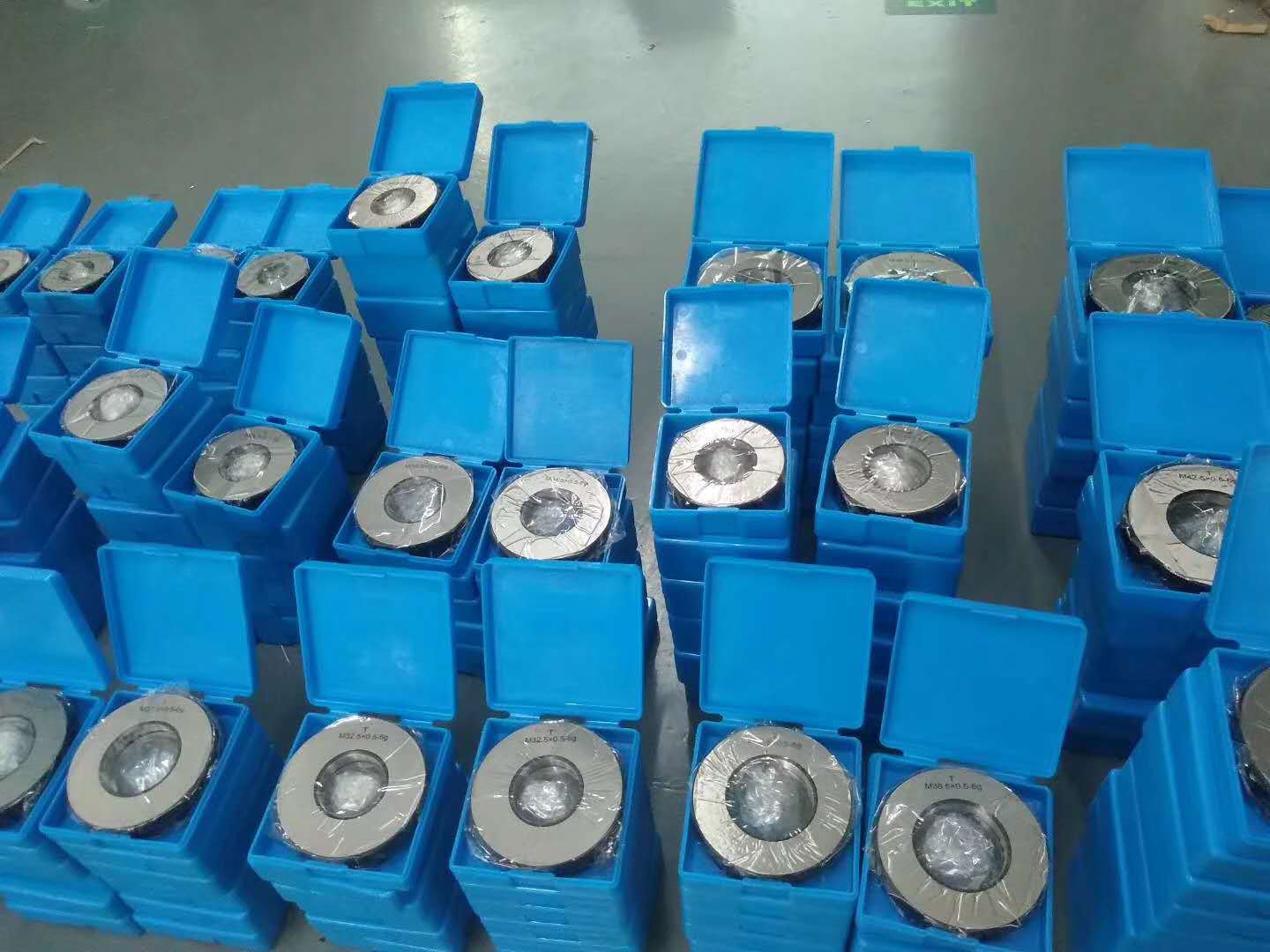
Trådring och gängmått 6g En Översikt Inom mekanik och ingenjörskonst spelar trådringar och gängmått en avgörande roll för att säkerställa att olika komponenter passar väl ihop och fungerar som de ska. Bland gängmåtten är 6g en av de vanligaste standarderna, och trådringarna har en betydande funktion i olika tillämpningar. Vad är en trådring? En trådring är i grunden en mätanordning som används för att kontrollera gängors precision och kvalitet. Den har en specifik profil och dimension som representerar en viss standard. Genom att använda en trådring kan ingenjörer och tekniker snabbt avgöra om en gänga är inom acceptabla toleranser. Trådringar finns i olika storlekar och specifikationer, vilket gör dem mångsidiga i olika industriella tillämpningar. Förstå gängmått 6g Gängmått 6g är en specifik standard för gängor som används globalt. Den klassificeras som en medeltolerans, vilket innebär att den ger en balans mellan den tillåtna toleransen för gängor och hur tätt de passar. Gängor som har en standard av 6g är utformade för att ge en tillräcklig passform för de flesta applikationer, samtidigt som de tillåter smidig montering och demontering. thread ring gauge 6g En stor fördel med att använda 6g-gängor är deras allsidighet. De används i allt från maskiner och fordon till bygg- och anläggningsprojekt. Detta gängmått möjliggör en god belastningstålighet och hållbarhet, vilket är kritiskt för många industriprodukter. Användning av trådringar i kombination med 6g-gängor När man använder trådringar för att mäta 6g-gängor, är det viktigt att förstå hur man korrekt använder dessa mätverktyg. För att säkerställa precision är det nödvändigt att trådringen förs varsamt över den gängade delen. Om trådringen passar perfekt runt gängorna indikerar det att gängorna är inom de specifikationer som krävs. Om det finns motstånd eller om trådringen inte passar alls, kan det vara ett tecken på att gängorna är ur kurs eller skadade. Det är också viktigt att notera att olika material och ytbehandlingar kan påverka gängornas passform och hållbarhet. Därför är det en bra idé att alltid använda trådringar av hög kvalitet och se till att de är i gott skick. Sammanfattning Gängmått 6g och trådringar spelar en kritisk roll i den moderna tillverkningsprocessen. Genom att säkerställa att gängor är inom de nödvändiga toleranserna kan ingenjörer och tekniker hålla hög kvalitet och effektivitet i sina projekt. Deras användning bidrar inte bara till bättre produktkvalitet utan även till ökad säkerhet och pålitlighet i industriella tillämpningar. Genom att förstå och använda dessa verktyg på rätt sätt kan vi uppnå mer hållbara och effektiva lösningar i vår tekniska värld.
about
8.38 mm laminated glass
Understanding the Pin Gauge Measurement Method The Pin Gauge Measurement Method is a widely recognized technique used in manufacturing and engineering to ensure precise measurements of hole sizes and diameters. This method is essential in various industries including automotive, aerospace, and electronics, where precision and accuracy are paramount. What is a Pin Gauge? A pin gauge is a tool used to check the diameter of holes and the size of specific components. It consists of a series of pins, each with a specific diameter, allowing for an easy comparison against the hole being measured. Typically made of high-quality steel, pin gauges are designed to be highly accurate and durable. They are classified into two categories plug gauges and ring gauges. Plug gauges are used to measure the inside diameter of holes, while ring gauges are used for external diameters. How Does the Measurement Work? The pin gauge measurement method involves the following steps 1. Selection of Appropriate Pin Gauge The selection begins by determining the nominal size of the hole or component to be measured. Manufacturers often use a set of pin gauges that cover a range of sizes, providing multiple options for measurement. 2. Insertion into the Hole The gauge that closely matches the required diameter is chosen and carefully inserted into the hole. The fit of the gauge will indicate whether the hole is within the specified tolerance. 3. Assessment of Fit There are three possible outcomes when using a pin gauge - If the gauge fits snugly, it confirms that the hole is the correct size. - If the gauge does not fit at all, it indicates the hole is smaller than the gauge size. - If the gauge can be inserted but is loose, it suggests the hole is larger than desired. The tactile feedback provided by these simple checks allows engineers to quickly ascertain whether a part meets its dimensional specifications. Advantages of the Pin Gauge Measurement Method pin gauge measurement method 1. Simplicity and Ease of Use Pin gauges are straightforward tools that require minimal training . This ease of use allows operators at various skill levels to perform measurements effectively. 2. Cost-Effectiveness Unlike more advanced measuring instruments, pin gauges are relatively inexpensive. Their simple design makes them accessible to businesses of all sizes, helping to maintain quality assurance without excessive costs. 3. High Accuracy When manufactured correctly, pin gauges provide high levels of accuracy. They are often calibrated to international standards, ensuring reliable measurements. 4. Versatility Pin gauges can be used in various applications, from simple hole checks to complex assembly lines. Their ability to measure internal and external diameters makes them versatile tools in the engineering toolkit. Best Practices for Using Pin Gauges To ensure the effectiveness of pin gauges, several best practices should be followed - Calibration Regular calibration of the pin gauges is vital to maintain their accuracy over time. A schedule should be implemented to check the gauges against standard measurements. - Proper Handling Care should be taken when handling pin gauges. They should be stored in protective cases to prevent damage and deformation. - Environmental Considerations It is important to measure in a controlled environment, as temperature and humidity can affect the material properties of both the gauge and the component being measured. Conclusion The Pin Gauge Measurement Method is a fundamental tool in the quality assurance processes of manufacturing. With its simplicity, accuracy, and cost-effectiveness, it remains an essential technique for engineers and manufacturers seeking to ensure their products meet rigorous standards. Understanding how to effectively use this method can significantly enhance precision in production processes, ultimately contributing to improved product quality and customer satisfaction.
-

High quality industrial productsagement

High quality industrial products
View Details -

Meet the diverse needs of customers

Meet the diverse needs of customers
View Details -

Strict quality control

Strict quality control
View Details -

Top raw materials

Top raw materials
View Details -

Trusted supplier

Trusted supplier
View Details
Our application

news and information

Using Thread Ring Gauge for Precision Measurement and Quality Assurance in Manufacturing
The Importance of a Thread Ring Gauge in Quality Control In the realm of engineering and manufacturi

verschillende soorten regelkleppen en hun toepassingen
Verschillende Soorten Controlekranen en Hun Toepassingen Controlekranen zijn essentiële componenten
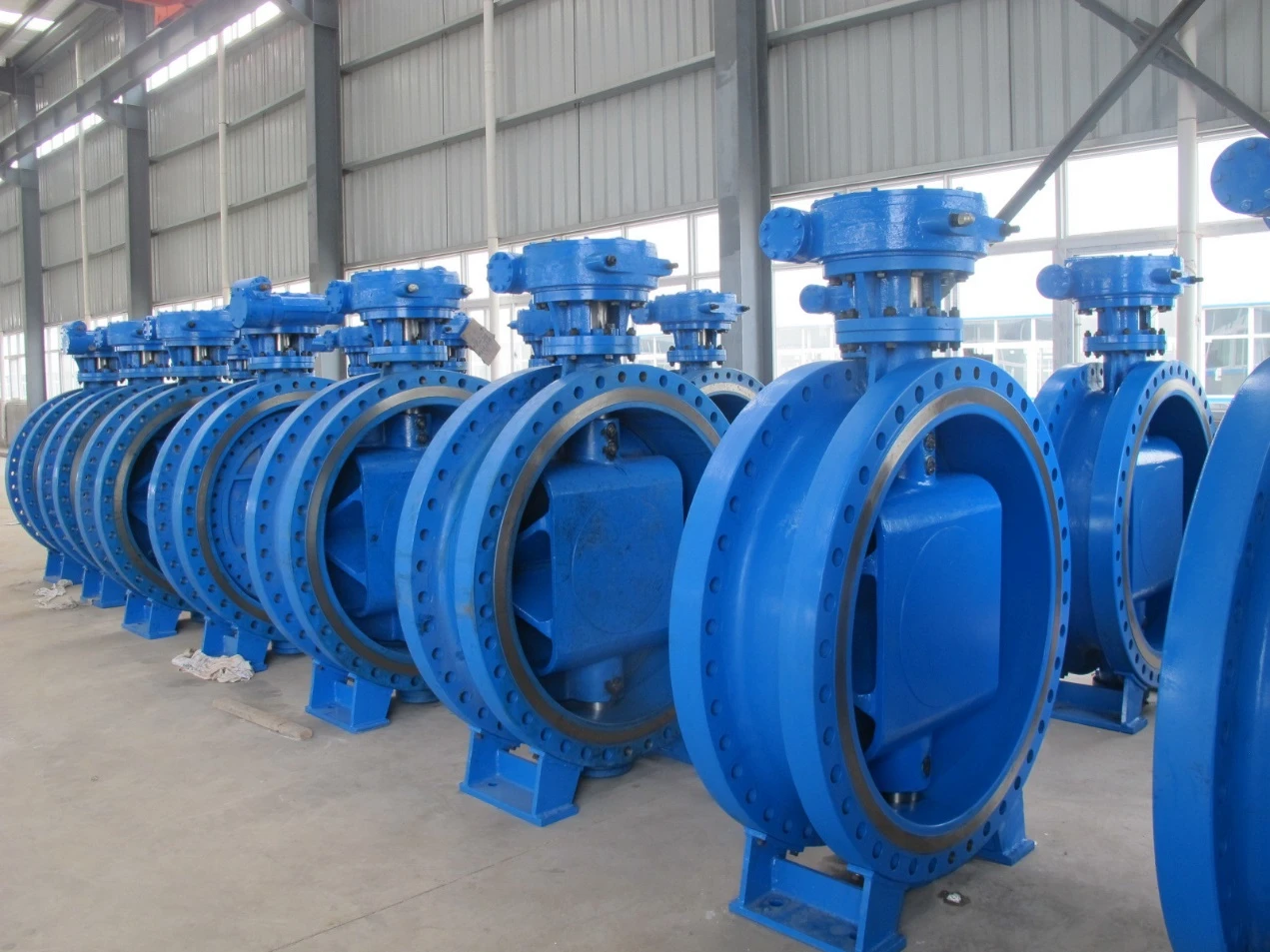
Wasserventil abgeschaltet
Wasserabsperrventil Notwendigkeit und Anwendung In der modernen Haustechnik spielt das Wasserabsperr
 English